Salsa Verde, Three Ways: A Home Cook’s Guide to the Green Sauce That Tastes Like a Cantina
Salsa verde is one of those things that looks simple until you make it at home and realize the bowl in front of you tastes nothing like the one at your favorite neighborhood cantina. The difference usually is not a secret ingredient. It is method, chile choice, and a cook who tastes as they go. At Camille's Cantina, we treat salsa like part of the hospitality: a bowl arrives before you ask, and it should make the next chip feel inevitable. Here is a practical guide to building a cantina-worthy green salsa in your own kitchen, with three cooking paths and enough flexibility to make the recipe yours.
Start With Tomatillos That Taste Like Something
Look for firm, bright green tomatillos with tight husks and no soft spots. The husks are sticky, so rinse them well and rub off the residue before cooking. If you are shopping in a US supermarket, you will often find tomatillos near the peppers or in the produce section with tomatoes. Canned tomatillos are a fine backup for a weeknight batch, but drain them first and expect a softer, more uniform flavor.
A good starting ratio for a home batch is about one pound of tomatillos to one or two fresh chiles, a quarter of a white onion, one or two garlic cloves, and a small handful of cilantro. That is not a rule. It is a place to begin. Taste after blending, then adjust. Salsa is forgiving, but it rewards attention.
Method One: Roasting for a Rounder, Sweeter Bowl
Roasting is the crowd-pleaser. Halve the tomatillos, peel the onion into thick wedges, leave the garlic cloves in their skins, and spread everything on a sheet pan with the chiles. Drizzle lightly with oil and roast at 450°F until the tomatillos slump and the edges darken, about 20 to 25 minutes. The garlic should be soft enough to squeeze from the skin.
This method softens the tartness and brings out a deeper, sweeter flavor. The salsa will be fuller and a little more mellow, which makes it a strong match for grilled chicken, pork, and eggs. If you want a smoother cantina-style texture, blend it longer; if you want it rustic, pulse it and leave some pieces intact.
Method Two: Boiling for a Brighter, Tangier Salsa
Boiling is the old-school workhorse. Put the tomatillos, onion, garlic, and chiles in a saucepan, cover with water, and simmer until the tomatillos turn from bright green to dull olive green, about 8 to 10 minutes. Do not dump the cooking water. Reserve a little of it to loosen the salsa in the blender.
This method keeps the flavor sharp and clean. The salsa tastes more tart and direct, with a looser texture that pours easily over tacos and bowls. It is also the easiest method for a big batch because you can boil everything in one pot and blend it in stages. Add cilantro and lime after blending so the herbs stay fresh.
Method Three: Charring for Smoke and Texture
Charring is for nights when you want the salsa to announce itself. Get a cast-iron skillet or a dry comal hot over medium-high heat and blister the tomatillos, chiles, onion, and unpeeled garlic until they are spotted black in places and softened underneath. A broiler works too, but watch closely; the line between charred and burnt is thin.
This path gives you smoke, a bit of bitterness, and a rougher texture. It is excellent with steak, roasted vegetables, and anything off the grill. Charring also makes the salsa feel more like a restaurant bowl, because the flavors are less even and more layered. If the smoke gets too aggressive, blend in a raw tomatillo or a squeeze of lime to bring it back.
The Chile Choice Does More Than Add Heat
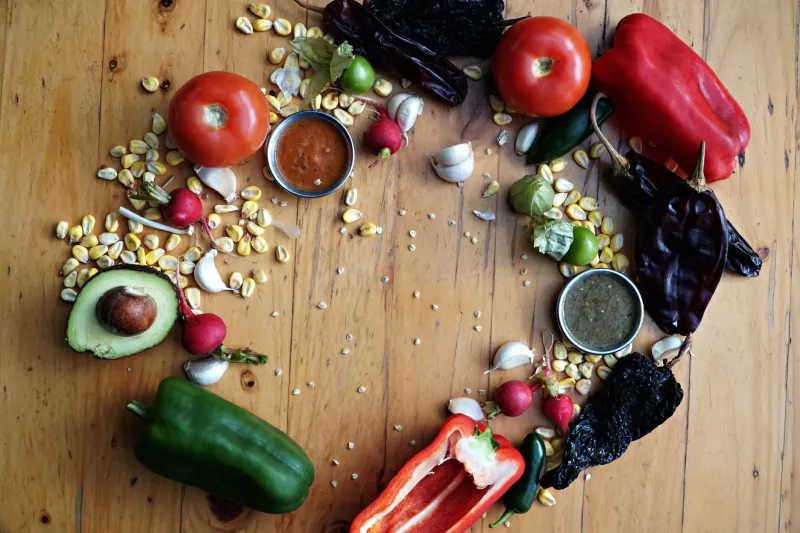
Jalapeños are the default for many home cooks: grassy, medium-hot, and easy to find. Serranos are brighter and hotter, with a sharper edge that works well in boiled salsas. Poblano adds deeper green flavor with less heat, while chile de árbol brings a dry, focused burn. For a milder bowl, remove the seeds and pith; for a hotter one, leave them in.
Think about the final use before you choose. A salsa for chips can handle more heat and texture. A salsa for eggs should be brighter and less smoky. A salsa for grilled meat can take char and a little more salt. You are not just making green sauce; you are making a condiment for a specific plate.
Acid, Salt, and the Texture Test
Lime is the usual acid, but start small. Add half a lime, blend, taste, and add more only if the salsa feels flat. Salt is the same story: add a pinch, taste, repeat. A tiny pinch of sugar can rescue a bowl that tastes harsh, but it should not make the salsa sweet. Cilantro belongs at the end, along with a few torn leaves for texture if you like.
Texture is where home salsas often go wrong. A blender can turn everything into green soup in seconds. Pulse instead of puree. If the salsa is too thick, add reserved cooking water or a splash of cold water. If it is too loose, let it sit for 10 minutes; the solids will settle and the flavor will tighten up.
Batch-Friendly Variations for Busy Weeks
Double the recipe and keep half in a jar for the week. Roasted garlic makes the salsa sweeter and softer. A handful of toasted pumpkin seeds adds body and a subtle nuttiness. Avocado makes a richer, creamier salsa that is best the same day. Pineapple is a divisive move, but a small amount can work with pork tacos if you keep the lime and salt in balance.
For meal prep, make the base salsa without cilantro and lime, then finish it when you are ready to serve. It will hold in the refrigerator for about five days. Bring it to room temperature before serving so the flavors wake up.
Serving Ideas From Chips to Eggs to Grilled Meat
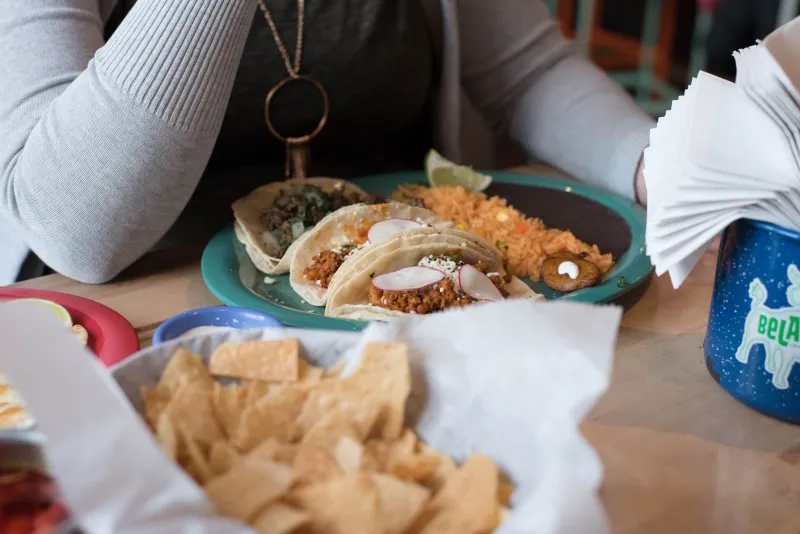
A cantina-style bowl is not just for chips, though it should absolutely be used for chips. Spoon it over fried eggs with warm tortillas. Use it as a quick simmer sauce for chicken thighs. Serve it alongside grilled steak or roasted cauliflower. Stir a spoonful into rice, or use it to dress a simple cabbage slaw for tacos.
For a party, set out two bowls: one smooth and mild, one chunky and hot. Add a small dish of extra lime wedges and a stack of warm tortillas. That is the kind of small gesture that makes a home table feel like a neighborhood cantina.
A Little Cantina Hospitality at Home
The best salsa verde is the one you taste and adjust until it fits your table. Roast it for roundness, boil it for brightness, or char it for smoke. Then serve it without ceremony, in a bowl that is easy to refill. That is the cantina way: generous, unfussy, and ready for the next chip.