The Tortilla Tell: What a Great Neighborhood Cantina Reveals Before the Salsa Arrives
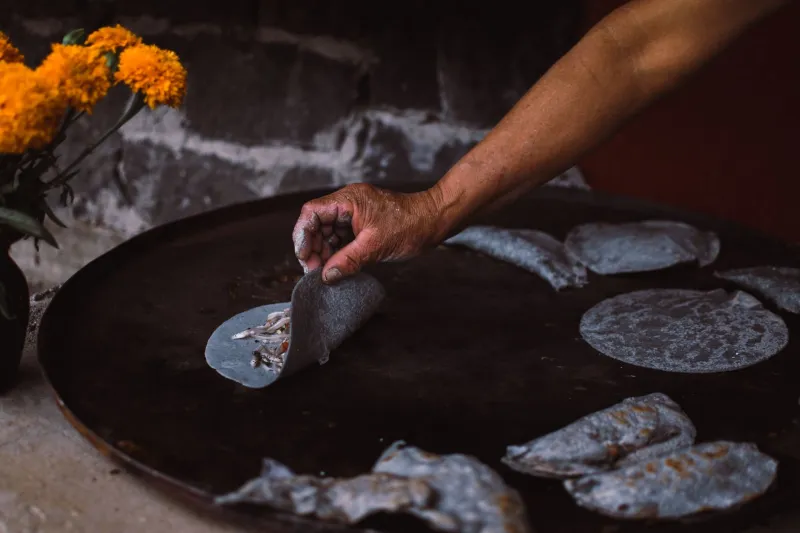
I judge a neighborhood cantina before the salsa arrives. The first tortilla is the tell. If it is warm, pliable, and smells like toasted corn, I settle in. If it is cold, leathery, or snaps at the fold, I start looking around the dining room for clues. In 2026, with so many cantinas competing for the same weeknight dollar, the tortilla is still the most honest signal of how much a kitchen cares.
The First Tortilla Is the Interview
A great tortilla does not need to be fancy. It needs to be fresh. Corn tortillas are at their best within minutes of leaving the comal, when the steam is still trapped inside and the edges are slightly blistered. A house-made tortilla should bend without cracking. It should have a little chew, a clean corn flavor, and enough structure to hold a taco without dissolving. Flour tortillas follow a different rule: they should be soft, slightly flaky, and never taste like raw flour.
The tortilla also tells you how the kitchen works. A cantina that makes its own tortillas is usually a cantina that tastes its salsa, watches its grill, and understands timing. That does not mean every house-made tortilla is great. A dry masa or a rushed press can ruin the best intentions. But a bad tortilla is almost always a warning.
A Dining-Out Checklist for Tortilla Quality
Use this checklist the next time you sit down at a cantina. It is not a grade; it is a way to pay attention.
- Warmth: The tortilla should arrive warm, not hot enough to burn and not room temperature.
- Aroma: You should smell toasted corn, not stale oil or nothing at all.
- Flexibility: Fold it gently. A good corn tortilla bends; a bad one cracks.
- Texture: Look for a little chew and a soft center. Dry edges are a bad sign.
- Corn flavor: It should taste like corn, not just like a vehicle for salsa.
- Consistency: If the first tortilla is great and the second is leathery, the kitchen is not managing its comal.
- Salsa test: A great tortilla can stand up to salsa without falling apart. It should not dissolve on contact.
- Reheat test: If you ask for a second basket, the tortillas should be as good as the first. That is a timing skill, not a garnish.
A Tortilla Maker on Craft and Cost
I talked with Marisol Vega, a tortilla maker at a neighborhood cantina in Tucson, about what it takes to do this work every day. She starts her masa before the sun is up and keeps a close eye on the comal all service.
Q: What makes a tortilla good?
A: “Fresh masa, the right hydration, and a hot comal. You can have great corn and still make a bad tortilla if the dough is too dry or the comal is too cool. A tortilla should puff a little. That puff is the sign that the dough is alive.”
Q: Is house-made worth the cost?
A: “People see the labor, but they do not always see the math. A good tortilla costs more than a purchased one, but it also brings people back. When a guest says the tortillas taste like their grandmother's, that is not a small thing. It is the whole point.”
Q: What should diners notice?
A: “Notice the warmth and the smell. If a tortilla is cold, it was made too early or held too long. A cantina that cares will make them in small batches. You can taste the difference.”
Weeknight Corn Tortillas at Home
You do not need a nixtamal setup to make good tortillas at home. Masa harina is widely available in US supermarkets, and a tortilla press is inexpensive. This recipe makes 12 to 16 tortillas.
Ingredients:
- 2 cups masa harina
- 1/2 teaspoon kosher salt
- 1 1/2 cups warm water, plus more as needed
Steps:
- Mix the masa. Whisk the masa harina and salt in a bowl. Add the warm water and stir until a soft dough forms. It should feel like Play-Doh: moist but not sticky.
- Rest. Cover the dough and let it rest 15 minutes so the masa hydrates evenly.
- Portion. Roll the dough into 12 to 16 balls, about the size of a golf ball. Keep them covered.
- Press. Line a tortilla press with two pieces of plastic. Place a ball in the center and press gently until the tortilla is about 1/8 inch thick.
- Cook. Heat a dry comal or cast-iron skillet over medium-high heat. Cook the tortilla 30 to 45 seconds, until the edges look dry. Flip and cook 45 to 60 seconds more, until it puffs slightly and develops dark spots. Flip once more for 10 seconds if needed.
- Wrap. Stack the tortillas in a clean kitchen towel or tortilla warmer. Serve immediately.
The Takeaway
The tortilla is not a side dish. It is the first impression, the last bite, and the clearest sign of whether a cantina is cooking with care. In 2026, the best neighborhood spots know this. Order the tortillas first. If they are warm, pliable, and smell like corn, you are in the right place.