The Neighborhood Tamal Handbook: Buying, Reheating, and Sharing in 2026
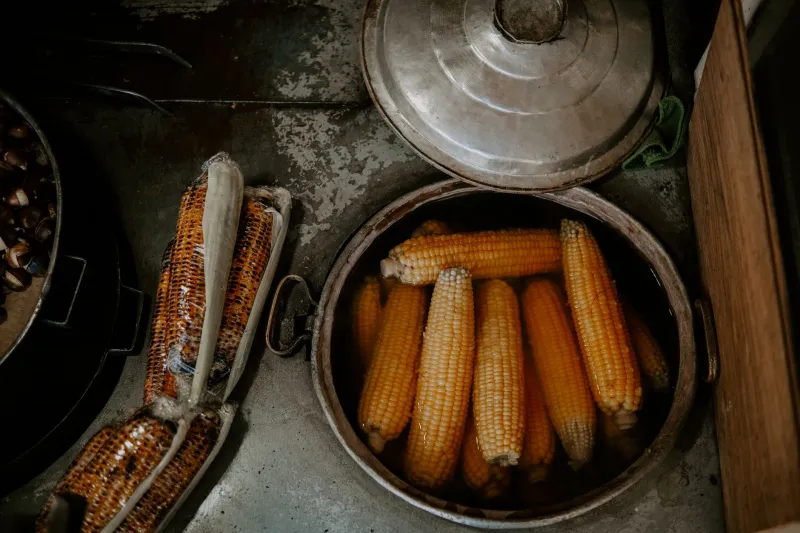
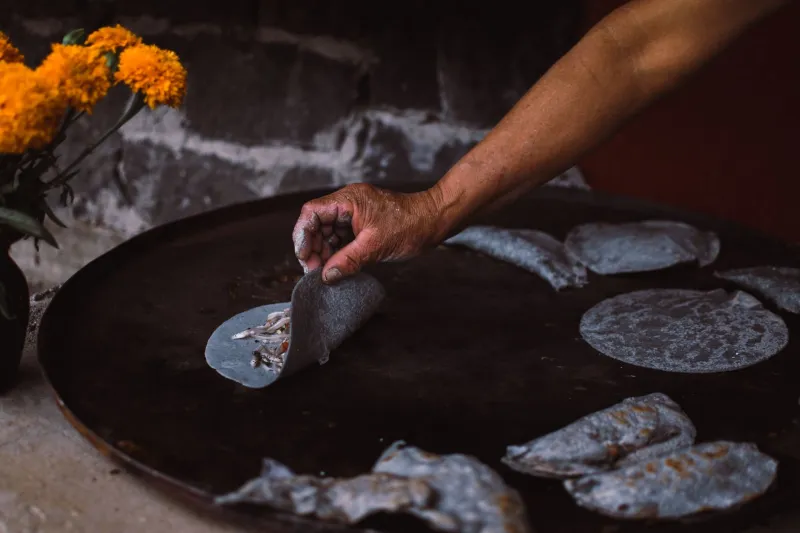
By mid-November, the holiday calendar starts to smell like steamed corn husks. That is not a coincidence. In neighborhood cantinas and home kitchens across the US, tamal season is already underway, and the best batches tend to disappear before the December rush. The good news: you do not need a family recipe passed down for three generations to enjoy it. You need a little planning, a reliable reheat method, and a willingness to share.
Start With the Masa, Not the Menu
A great tamal announces itself before you taste the filling. The masa should smell like corn and taste like something worth eating on its own, not like a bland paste holding the good stuff hostage. Look for a texture that is tender but not gluey, with enough fat to feel rich without turning greasy. The filling should be generous but not bursting the wrapper. If the husk is soaked through and the tamal feels heavy and waterlogged, keep walking.
Ask the person behind the counter a few simple questions. Was this batch made today? Is the masa made in-house? Are the vegetarian tamales steamed separately from the pork ones? Does the salsa come on the side? A neighborhood kitchen that cares about its tamales will happily answer. A cantina that cannot tell you what is inside the wrapper is probably not the one you want for your holiday table.
How to Order From a Neighborhood Kitchen
Tamales are a volume business, so order like you mean it. Call ahead if you want a dozen or more, especially on weekends and around Thanksgiving. Many small kitchens take preorders for pickup, and that is the easiest way to avoid standing in line while someone in front of you buys the last three dozen. Ask whether the tamales are sold fresh, chilled, or frozen. Fresh is best for same-day eating; chilled is fine for the next day; frozen is your friend for December.
Bring cash if you can, and tip like you would at a restaurant. These are often small operations working long hours during the busiest stretch of the year. If you find a tamal you love, leave a review, tell a neighbor, and order again. That is how neighborhood food stays alive.
Reheating Without the Sawdust Problem
The biggest tamal tragedy is not a bad filling. It is a good tamal reheated until the masa turns dry and crumbly. Steam is your best defense. Set up a pot with a steamer basket, bring the water to a simmer, and steam chilled tamales for about 10 to 12 minutes. Frozen tamales need closer to 15 to 18 minutes. Keep them wrapped if the husks are still on, or wrap them in parchment or foil if they are not.
No steamer? Use the microwave, but do it gently. Wrap the tamal in a damp paper towel and heat in 30-second bursts, checking after each one. Let it rest for a minute before unwrapping. For a crispy edge, unwrap a cooked tamal and sear it in a lightly oiled skillet over medium heat until the outside turns golden. That is not traditional everywhere, but it is delicious. An oven works too: wrap the tamales in foil with a splash of water and heat at 325 F for 15 to 20 minutes.
Cool leftovers within two hours, refrigerate them for up to four days, and freeze them for up to two months. Reheat only what you plan to eat, and keep the salsa, crema, and pickled onions cold until serving.
The Small Tamalada: Keep It Simple
A full tamalada, with everyone gathered around a table spreading masa and tying husks, is a beautiful thing. A small tamalada is more realistic for a weeknight in 2026. Buy the tamales from a neighborhood kitchen you trust. Make a pot of beans, a simple rice, and a bright salsa. Set out crema, pickled jalapenos, radishes, and lime wedges. Keep the tamales warm in a cooler lined with a towel, or in a low oven covered with foil.
Label the fillings. This sounds obvious until someone bites into a rajas tamal expecting chicken. Offer at least one vegetarian option, and ask guests about dietary needs before they arrive. If you are feeding a crowd, assign someone to drinks and someone to cleanup. The host should not be stuck in the kitchen missing the conversation.
Share the Season, Not Just the Food
Order an extra dozen if you can. Drop a few tamales at a neighbor’s door with reheating instructions. Send a container home with a friend who has been having a hard week. Support the neighborhood kitchens that keep this season delicious, and remember that the best tamales are not always the most famous ones. They are the ones made by people who know your name, remember your order, and steam a batch early because they know you are coming.
Tamal season is short, but the habit of buying local, sharing generously, and reheating with care can last all year.